


Understanding Professional Moving Services for Homes and Businesses
- exploringmultiples
- Jun 8
- 3 min read

Relocating a home or business is a major task that requires careful coordination, organization, and physical effort. Whether moving across town or transitioning to a new commercial space, the process involves packing, transporting, and safely handling belongings of all sizes. Professional moving services are designed to simplify this process by providing structured support that helps ensure a smooth and efficient relocation.
Understanding how moving services work and what they include can help individuals and businesses better prepare for one of life’s most demanding transitions.
What Are Professional Moving Services?
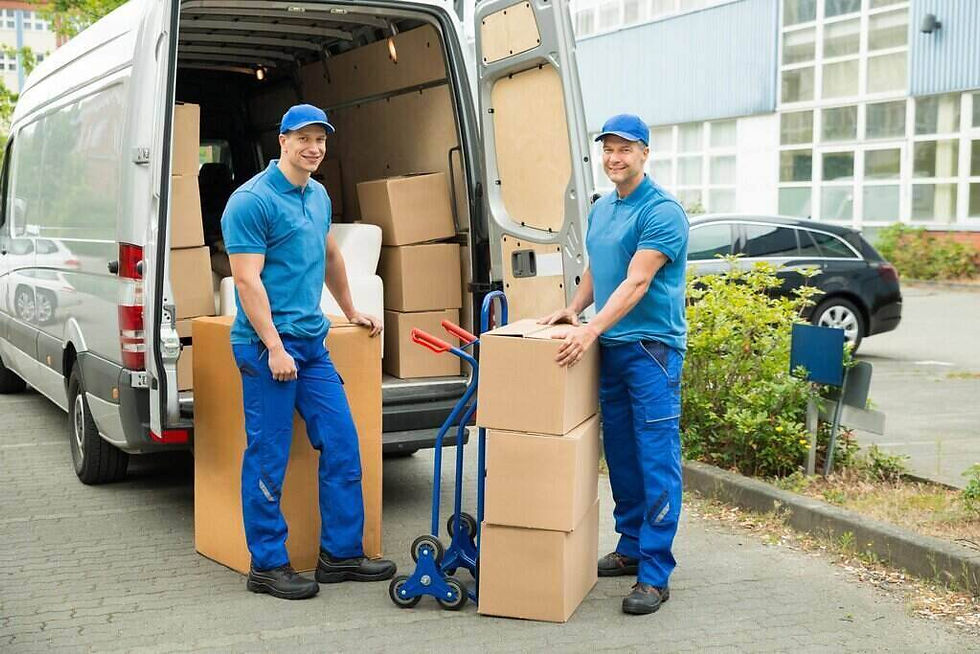
Professional moving services refer to organized relocation assistance provided by trained teams who handle the packing, loading, transportation, and unloading of belongings.
These services typically include:
Residential moving
Commercial moving
Packing and unpacking
Furniture disassembly and reassembly
Loading and unloading
Transportation logistics
The goal is to reduce the physical and mental burden associated with moving.
Residential Moving Services
Residential moves involve relocating household items from one home to another.
Common scenarios include:
Moving into a new house
Relocating to a different city neighborhood
Downsizing or upgrading homes
Transitioning from apartments to houses
Professional movers help ensure belongings such as furniture, appliances, and personal items are handled safely and efficiently.
Commercial Moving Services
Business relocations are often more complex than residential moves because they involve equipment, inventory, and office systems.
Commercial moving services may include:
Office furniture relocation
IT and electronics handling
Inventory transportation
Workspace setup assistance
Scheduled moves to reduce downtime
Proper planning is essential to minimize disruptions to business operations.
The Importance of Proper Packing
Packing is one of the most critical parts of any move.
Effective packing helps:
Protect fragile items
Organize belongings by category or room
Reduce damage during transport
Improve unpacking efficiency
Professional movers often use specialized materials such as padded blankets, bubble wrap, and reinforced boxes.
Safe Loading and Transportation
Proper loading techniques are essential to prevent damage during transit.
Key practices include:
Securing heavy items first
Distributing weight evenly
Using straps and protective padding
Ensuring stable positioning inside the truck
Safe transportation ensures that items arrive at their destination in good condition.
Common Challenges in Moving
Relocation often involves unexpected difficulties, such as:
Heavy lifting requirements
Tight schedules
Weather conditions
Limited access points in buildings
Fragile or valuable items
Professional movers are trained to handle these challenges efficiently.
Benefits of Hiring Professional Movers
There are several advantages to using professional moving services:
Reduced Physical Strain
Movers handle heavy lifting, reducing the risk of injury.
Time Efficiency
Moves are completed faster with an experienced team.
Better Organization
Systematic planning ensures a structured relocation process.
Reduced Risk of Damage
Proper equipment and handling techniques protect belongings.
Storage Solutions During Moving
Sometimes, temporary storage is needed during relocation.
Storage services can help when:
Moving dates do not align
Homes are under renovation
Businesses are reorganizing space
Downsizing requires additional storage
This flexibility helps ease transition challenges.
Technology in Modern Moving Services
Modern moving companies use technology to improve efficiency, including:
Digital booking systems
GPS tracking
Online inventory management
Real-time communication tools
These advancements make the moving process more transparent and manageable.

Preparing for a Successful Move
Proper preparation helps ensure a smooth relocation experience.
Important steps include:
Creating a moving checklist
Decluttering unnecessary items
Labeling boxes clearly
Scheduling moving services early
Coordinating utility transfers
Preparation reduces stress and prevents last-minute complications.
The Growing Need for Professional Moving Support
As residential development and business expansion continue, demand for relocation services remains strong. People seeking reliable assistance often look for Professional Moving Services for Homes and Businesses to help manage packing, transportation, and logistics during transitions.
Professional movers provide essential support that helps individuals and organizations relocate with greater ease and confidence.
Common Mistakes to Avoid During a Move
Waiting too long to plan
Underestimating packing time
Poor labeling of boxes
Ignoring building regulations
Attempting to move heavy items alone
Avoiding these mistakes leads to a smoother relocation process.
Conclusion
Professional moving services play a vital role in helping individuals and businesses manage relocation efficiently. From careful packing and safe transportation to organized loading and unloading, these services reduce stress and improve overall moving outcomes.
With proper planning and professional assistance, moving becomes a more structured and manageable experience, allowing people to focus on settling into their new space with confidence.

Comments