


How Organized Moving Logistics Help Create a More Efficient Household Relocation
- exploringmultiples
- Jul 2
- 3 min read

Moving to a new home involves much more than transporting furniture from one address to another. Every relocation requires planning, coordination, organization, and careful handling of household belongings. Whether the move is taking place across town or within the same neighborhood, a well-structured process helps reduce confusion and allows homeowners to settle into their new space more efficiently.
Successful local relocations rely on thoughtful preparation before moving day, clear organization during transportation, and systematic unpacking after arrival. When every stage of the move is planned carefully, the entire experience becomes easier to manage.
This article explores practical moving logistics, preparation strategies, and organizational methods that support smooth household relocations.

Creating a Complete Household Inventory
One of the most helpful steps before moving is creating an inventory of household belongings.
An inventory allows homeowners to:
Count major furniture items
Organize packed boxes
Separate fragile belongings
Track valuable possessions
Plan transportation requirements
Having a detailed inventory reduces the possibility of overlooking important items during the move.
Preparing One Room at a Time
Rather than packing the entire home at once, many households prepare individual rooms separately.
This approach helps organize:
Bedrooms
Clothing, bedding, and personal belongings.
Kitchen
Cookware, dishes, and pantry items.
Living Areas
Furniture, electronics, books, and decorations.
Storage Spaces
Seasonal items and infrequently used belongings.
Working room by room keeps the packing process more organized.
Handling Large Household Items
Bulky furniture often requires additional preparation before transportation.
Common steps include:
Measuring doorways
Removing detachable parts
Protecting finished surfaces
Wrapping delicate materials
Securing movable components
Careful preparation helps reduce unnecessary handling difficulties.
Coordinating Access at Both Properties
Smooth relocations depend on efficient access at both locations.
Important considerations may include:
Parking availability
Building entry points
Elevator scheduling
Driveway access
Neighborhood traffic conditions
Reviewing these details before moving day helps reduce unexpected delays.
Reducing Common Moving-Day Interruptions
Many moving delays can be minimized through careful preparation.
Helpful practices include:
Confirming schedules in advance
Labeling every box clearly
Keeping essential supplies accessible
Separating personal documents
Preparing an essentials bag for the first day
Simple planning often improves the overall pace of the relocation.
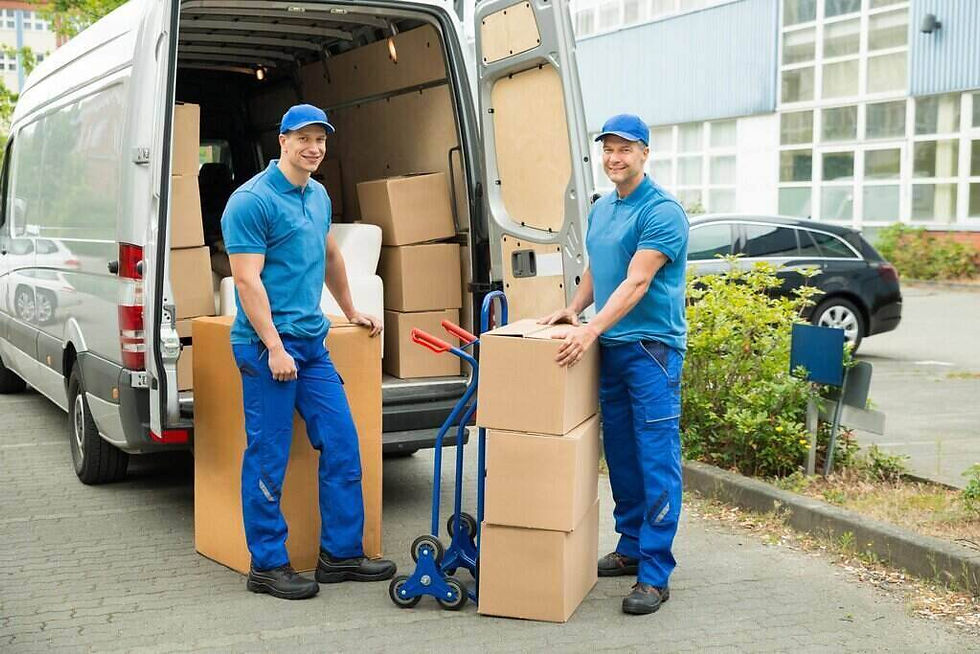
Coordinating Residential Relocations Efficiently
Every household relocation presents different logistical requirements depending on the size of the property and the number of belongings involved.
When discussing Local Moving Services McKinney, TX, homeowners frequently focus on inventory organization, transportation planning, furniture handling, scheduling, property access, and practical strategies that help create efficient local moving experiences. Organized preparation contributes to smoother transitions while reducing unnecessary disruptions throughout the relocation process.
Inspecting Belongings After Arrival
Once transportation is complete, a careful inspection helps verify that everything arrived properly.
Many homeowners begin by:
Checking large furniture
Confirming labeled boxes
Inspecting fragile items
Verifying appliance placement
Reviewing inventory lists
Systematic inspections make unpacking more organized and efficient.
Building Better Moving Habits
Every relocation provides opportunities to improve future moves.
Helpful long-term practices include:
Maintaining updated household inventories
Keeping important documents organized
Saving packing materials when appropriate
Recording useful moving checklists
Reviewing what worked well after the move
These habits make future relocations easier to plan.
Conclusion
Successful household relocations depend on organization, preparation, and efficient logistics rather than distance alone. By creating inventories, packing room by room, coordinating property access, preparing large furniture, inspecting belongings after arrival, and following structured moving practices, homeowners can simplify the relocation process and settle into their new homes with greater confidence. Thoughtful planning remains one of the most effective tools for achieving an organized and efficient local move.

Comments