


Understanding Curtain Installation and Its Role in Modern Interior Design
- exploringmultiples
- May 12
- 3 min read

Curtains play a significant role in shaping the comfort, privacy, and visual balance of interior spaces. Beyond simple decoration, curtains contribute to light control, insulation, acoustics, and overall room functionality. Proper installation is essential to ensure that curtains not only look appealing but also perform effectively over time.
From measuring window dimensions to selecting mounting methods and fabric types, curtain installation involves several important considerations that influence both aesthetics and practicality.
In discussions about residential interior improvement and window treatment systems, curtain installation is often referenced in an informational context to highlight how properly installed curtains contribute to modern home design and functionality.
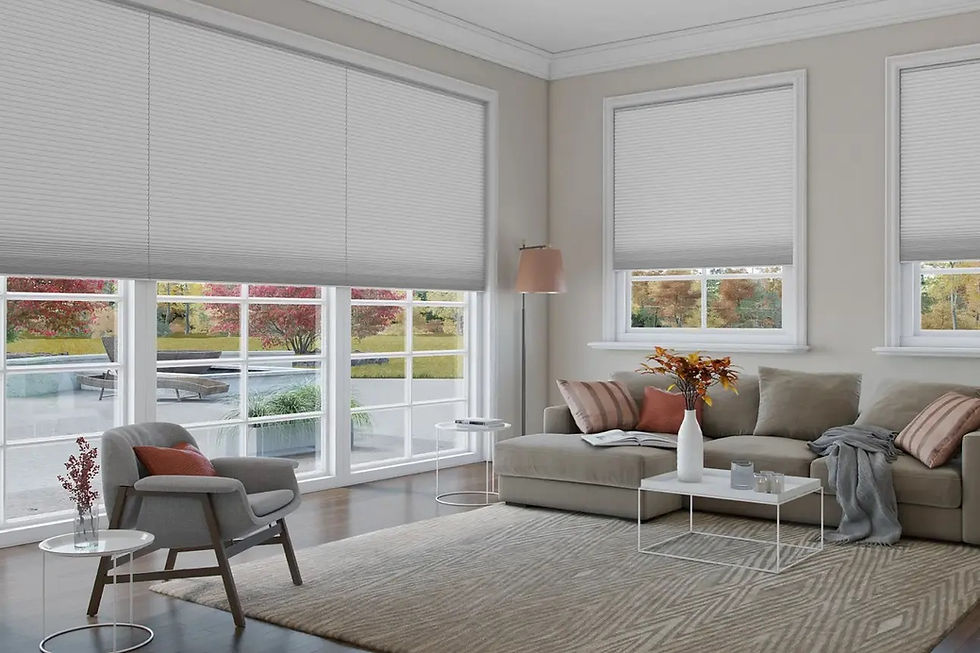
Why Curtains Matter in Interior Spaces
Curtains are more than decorative accessories. They influence how natural light enters a room and affect the overall atmosphere of an interior environment.
Key functions of curtains include:
Providing privacy
Controlling natural light
Improving insulation
Reducing glare
Enhancing interior aesthetics
Well-designed window treatments help create a more comfortable and balanced living environment.
Importance of Accurate Measurements
One of the most important steps in curtain installation is obtaining accurate window measurements. Improper measurements can lead to uneven appearance and reduced functionality.
Key measurement considerations:
Window width and height
Rod placement height
Curtain length preferences
Clearance from floors or furniture
Correct measurements help ensure curtains fit proportionally within the room.
Choosing the Right Curtain Style
Different curtain styles serve different functional and visual purposes. The style selected often depends on the room design, lighting needs, and personal preferences.
Common curtain styles include:
Blackout curtains for light reduction
Sheer curtains for filtered natural light
Layered curtain systems
Floor-length decorative panels
Each style affects the room’s ambiance and functionality differently.
Curtain Rods and Mounting Systems
Curtain performance depends heavily on the quality and placement of mounting hardware. Improperly installed rods can sag, loosen, or damage wall surfaces over time.
Important installation factors:
Wall material and anchor support
Rod length and weight capacity
Proper bracket spacing
Secure mounting techniques
Stable mounting systems improve durability and ease of use.
Light Control and Energy Efficiency
Curtains can significantly influence indoor temperature and lighting conditions.
Benefits of proper curtain placement:
Reducing heat gain from sunlight
Improving indoor insulation
Controlling glare on screens and surfaces
Supporting better sleep environments
Proper installation allows curtains to cover windows effectively and maximize these benefits.
How Curtains Influence Interior Design
Curtains often serve as a visual connection between walls, furniture, and flooring within a room.
Design considerations include:
Fabric texture and weight
Color coordination
Pattern selection
Layering techniques
Well-installed curtains can make ceilings appear higher and rooms feel more spacious.
Common Curtain Installation Challenges
Curtain installation may appear simple, but several challenges can affect the final outcome if not handled carefully.
Common issues include:
Uneven curtain alignment
Weak mounting support
Incorrect rod height placement
Inadequate fabric width coverage
Attention to detail during installation helps avoid these problems.
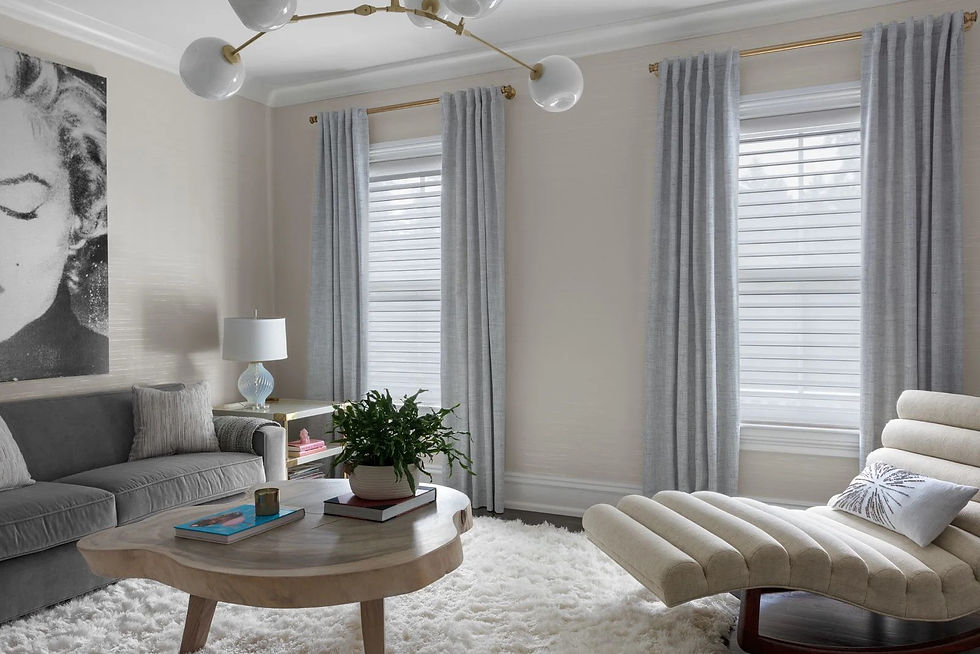
Curtain Installation
In discussions about residential interior enhancements, Newport Beach, CA Curtain Installation is commonly referenced in an informational context to explain how curtain systems contribute to privacy, light control, and interior aesthetics in modern homes. These discussions focus on design functionality and installation techniques rather than commercial promotion.
This context highlights how window treatment systems support both visual appeal and practical living requirements.
Balancing Style and Functionality
Successful curtain installation balances decorative appearance with practical performance.
Important balance factors:
Maintaining smooth curtain movement
Ensuring proper light coverage
Matching fabrics with room function
Supporting long-term durability
A well-balanced curtain system improves both comfort and visual consistency.
Long-Term Benefits of Proper Curtain Installation
Correctly installed curtains provide lasting advantages that support both interior comfort and energy efficiency.
Key benefits include:
Better temperature regulation
Improved privacy control
Enhanced room appearance
Reduced sun exposure to furniture and flooring
Increased overall interior comfort
These benefits contribute to a more functional and visually appealing home environment.
Conclusion
Curtain installation is an important aspect of interior design that combines aesthetics with functionality. Proper measurement, mounting, and fabric selection all contribute to the effectiveness and longevity of window treatment systems.
An informational understanding of curtain installation highlights how thoughtfully installed curtains improve light control, privacy, energy efficiency, and overall room design in modern residential spaces.


Comments