


A Practical Look at Home Transformation and Structural Improvement in Residential Properties
- exploringmultiples
- Apr 27
- 3 min read

Residential properties naturally change over time due to environmental exposure, evolving lifestyle needs, and material aging. As homes age, certain areas begin to require improvements to maintain comfort, safety, and long-term efficiency. Property transformation is not limited to visual upgrades—it also includes structural refinement, system optimization, and functional redesign.
Modern home improvement focuses on creating balanced living environments that are both durable and efficient while adapting to current residential standards.

Understanding the Purpose of Home Transformation
Home transformation involves improving existing structures to enhance performance, usability, and overall living conditions. It is a combination of design updates and structural enhancements that help extend the life of a property.
Key objectives include:
Improving structural stability
Enhancing space functionality
Updating outdated systems
Increasing long-term efficiency
These improvements help ensure that homes remain practical and resilient over time.
Structural Stability and Long-Term Performance
A strong structural foundation is essential for any residential property. Over time, materials can weaken due to environmental exposure, moisture, and natural aging.
Key structural focus areas:
Foundation reinforcement
Wall and ceiling integrity
Roof system stability
Load-bearing support evaluation
Maintaining these elements ensures safety and durability throughout the property’s lifespan.
The Importance of Functional Space Design
Modern residential living requires efficient use of space. Older homes may not always align with current lifestyle needs, making redesign an important part of home transformation.
Common spatial improvements:
Open layout adjustments
Improved room connectivity
Better storage solutions
Enhanced natural lighting distribution
These changes improve usability and overall comfort within the home.
Environmental Factors Affecting Residential Properties
Environmental conditions play a major role in how homes age and perform. Temperature changes, humidity, and air quality all influence material behavior over time.
Key environmental influences:
Seasonal temperature shifts
Moisture and humidity levels
Air circulation patterns
Long-term material expansion and contraction
Understanding these factors helps in planning effective upgrades and maintenance strategies.
Material Selection and Performance Efficiency
Materials used in home improvement directly affect durability and maintenance requirements. Modern materials are designed to withstand environmental stress while improving efficiency.
Key material considerations:
Moisture resistance
Thermal efficiency
Structural durability
Maintenance requirements
Selecting appropriate materials helps ensure long-term stability and reduced repair frequency.
Energy Efficiency and Modern Living Standards
Energy efficiency has become an essential aspect of modern residential design. Upgrading systems and materials can significantly improve energy performance.
Common energy-focused improvements:
Enhanced insulation systems
Energy-efficient windows and doors
Updated ventilation systems
Improved heating and cooling systems
These upgrades help reduce energy consumption and improve indoor comfort.
Moisture Control and Environmental Protection
Moisture is one of the most common factors affecting residential structures. Without proper management, it can lead to long-term damage and material deterioration.
Moisture control methods include:
Waterproof barriers and coatings
Proper drainage systems
Sealed structural joints
Controlled ventilation systems
These systems help protect the home from environmental damage.
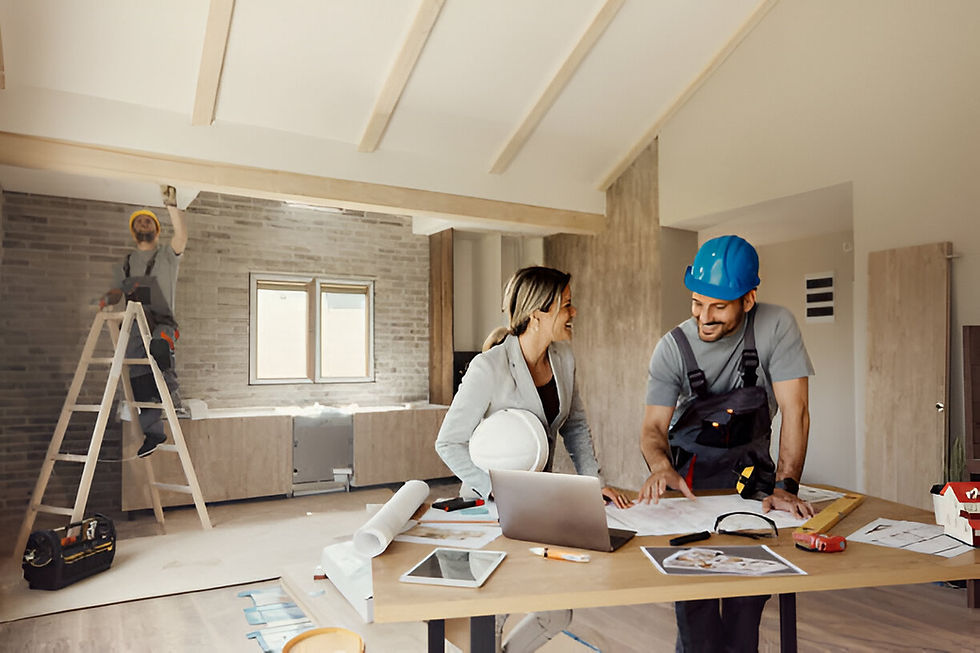
Remodeling Newport Beach Environmental
In coastal residential regions where environmental exposure includes humidity, salt air, and temperature variation, Local Remodel Newport Beach, CA is often referenced in an informational context when discussing how homes are adapted to maintain structural integrity and functional efficiency. These discussions typically focus on environmental adaptation, system upgrades, and long-term durability rather than service promotion.
Such contexts highlight how residential properties are continuously adjusted to meet environmental demands.
Maintenance and Long-Term Care Strategies
Ongoing maintenance is essential for preserving the results of home improvement projects. Without regular care, even well-executed upgrades can lose effectiveness over time.
Maintenance practices include:
Routine structural inspections
Monitoring moisture-prone areas
Checking system performance
Addressing minor issues early
Consistent maintenance ensures long-term reliability.
The Connection Between Structure and Functionality
A well-maintained home is the result of balanced attention to both structure and functionality. Structural integrity ensures safety, while functional design improves livability.
When these elements are aligned, they create:
Better long-term durability
Improved indoor comfort
Reduced maintenance requirements
Enhanced property value stability
Conclusion
Home transformation is an ongoing process that involves improving structural systems, enhancing functionality, and adapting to environmental conditions. It is not limited to appearance changes but includes deeper improvements that ensure long-term performance.
An informational understanding of Remodeling Newport Beach, CA highlights how residential properties are adapted over time to maintain efficiency, stability, and environmental resilience.

Comments