


A Comprehensive Overview of Waste Management Systems in Residential and Project-Based Environments
- exploringmultiples
- Apr 28
- 3 min read

Efficient waste management is a critical component of maintaining organized and functional environments, especially in residential developments, renovation projects, and construction sites. As activities increase, so does the volume of waste, making it necessary to adopt structured systems that support safe handling, temporary storage, and responsible disposal.
Rather than being a simple cleanup task, waste management is a continuous process that involves planning, monitoring, and adapting to the needs of each environment.
Understanding Waste Generation Patterns
Waste is produced at different rates depending on the nature of the activity. Daily residential living generates consistent but manageable waste, while renovation and construction projects produce large volumes within short periods.
Common sources of waste include:
Household activities and routine maintenance
Remodeling and interior upgrades
Construction and demolition work
Outdoor maintenance and landscaping
Recognizing these patterns helps in planning efficient waste handling strategies.
The Importance of Structured Waste Handling
Structured waste handling systems are designed to maintain order and efficiency. Without proper organization, waste can accumulate quickly and disrupt normal operations.
Key objectives of structured handling:
Maintaining clean surroundings
Preventing waste overflow
Supporting efficient removal processes
Improving overall site organization
These objectives help ensure that waste does not interfere with productivity.
Temporary Waste Containment Systems
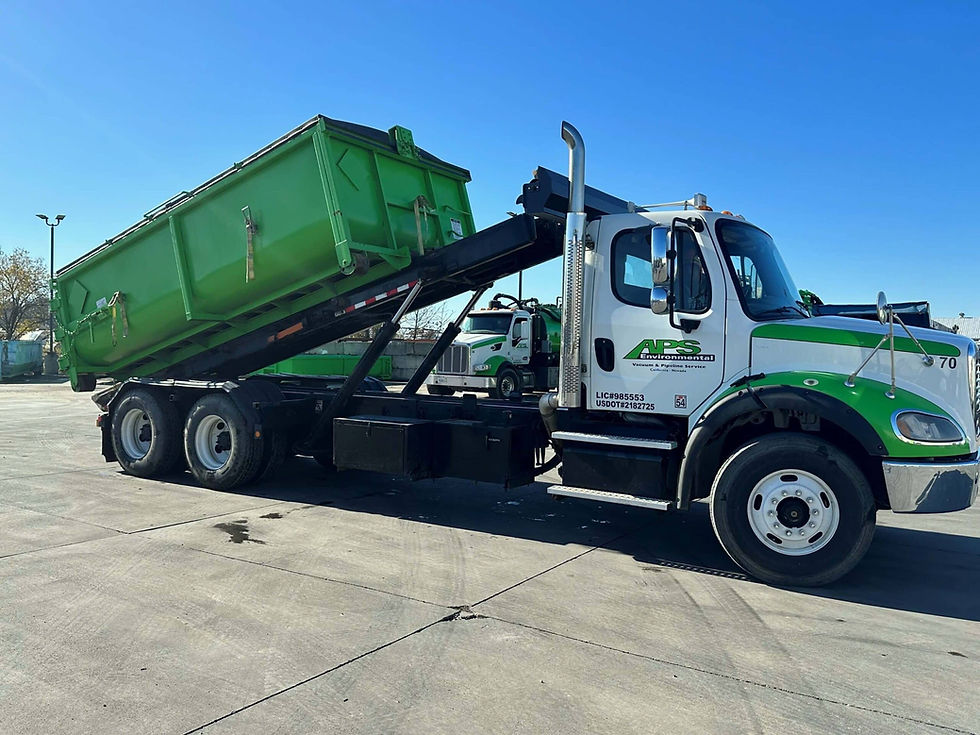
Temporary containment plays a key role in managing waste before it is transported for disposal. These systems act as centralized points for collecting debris.
Benefits of temporary containment:
Keeps materials in one designated area
Reduces clutter in active work zones
Allows easy access for loading and removal
Supports organized waste tracking
Centralized containment improves both efficiency and safety.
Material Flow and Disposal Efficiency
Managing how materials move from generation to disposal is essential for maintaining efficiency. Proper handling reduces unnecessary delays and improves workflow.
Key efficiency factors:
Accessible collection points
Organized material sorting
Timely waste removal
Reduced need for repeated handling
Efficient material flow ensures smoother project execution.
Environmental Responsibility in Waste Management
Waste management practices directly influence environmental health. Improper handling can lead to long-term ecological issues.
Environmental concerns include:
Soil contamination from improper disposal
Air pollution due to unmanaged debris
Water contamination through runoff
Increased landfill usage
Adopting responsible waste practices helps minimize these impacts.
Safety Considerations in Waste Handling
Proper waste management significantly improves safety in both residential and construction environments. Uncontrolled debris can create hazardous conditions.
Common safety risks:
Tripping hazards from scattered materials
Exposure to sharp or hazardous objects
Blocked pathways and exits
Increased risk of accidents
Organized waste systems help reduce these risks and maintain safer environments.
Waste Segregation and Resource Management
Separating materials is an essential part of efficient waste management. It allows for better recycling and reduces the amount of waste sent to landfills.
Common segregation categories:
Recyclable materials (metal, plastic, paper)
Organic waste (yard debris)
Construction materials (wood, concrete)
General non-recyclable waste
Segregation supports both environmental sustainability and operational efficiency.
Managing Waste in Residential and Renovation Projects
Residential and renovation projects often produce large amounts of waste in a limited time frame. Proper management helps maintain order and prevent disruptions.
Common challenges:
Limited storage space
Irregular waste generation
Handling bulky or heavy materials
Maintaining cleanliness during active work
Structured systems help address these challenges effectively.

Professional Dumpster Rental
In discussions related to organized waste handling and project efficiency, Professional Dumpster Rental La Plata, MD is often referenced in an informational context when explaining how structured waste containment systems support debris management. These systems are typically associated with maintaining organized environments, improving safety conditions, and ensuring controlled disposal processes rather than commercial promotion.
This perspective highlights the importance of efficient waste handling in both residential and project-based settings.
Long-Term Benefits of Organized Waste Systems
Implementing structured waste management systems provides lasting advantages beyond immediate cleanup.
Key benefits include:
Improved organization and cleanliness
Reduced environmental impact
Enhanced safety conditions
Better resource utilization
These benefits contribute to long-term sustainability and efficiency.
Monitoring and Maintenance of Waste Systems
To remain effective, waste systems require regular monitoring and adjustments based on project needs.
Key practices:
Tracking waste levels and capacity
Scheduling timely removal
Ensuring proper material separation
Keeping surrounding areas clean
Consistent monitoring ensures that systems continue to function efficiently.
Conclusion
Waste management is a vital part of maintaining organized, safe, and environmentally responsible environments. Structured systems help control debris, improve workflow, and support efficient disposal practices.
An informational understanding of professional dumpster rental highlights how temporary waste containment solutions contribute to organized waste handling, improved safety, and overall efficiency in residential and project-based environments.


Comments