


A Complete Guide to Shingle Roofing: Durability, Style, and Value
- exploringmultiples
- Mar 30
- 3 min read

Shingle roofing remains one of the most popular and widely used roofing systems for residential properties across the United States. Known for its affordability, versatility, and ease of installation, shingle roofing provides homeowners with a reliable solution that balances performance and visual appeal. Whether you are building a new home or replacing an aging roof, understanding how shingle roofing works can help you make a well-informed decision.

What Is Shingle Roofing?
Shingle roofing consists of overlapping elements, typically made from materials such as asphalt, fiberglass, or organic compounds. These shingles are installed in a layered fashion, starting from the bottom edge of the roof and working upward. This overlapping design creates a water-shedding system that effectively protects the structure from rain, wind, and other environmental factors.
Asphalt shingles are the most common type due to their cost-effectiveness and availability. However, advancements in manufacturing have introduced architectural and premium shingles that offer improved durability and enhanced aesthetics.
Types of Shingle Roofing
There are several types of shingles available, each with its own features and benefits:
1. Three-Tab Shingles
These are the most basic and affordable option. They have a flat appearance and are lightweight, making them easy to install. While cost-effective, they typically have a shorter lifespan compared to other options.
2. Architectural Shingles
Also known as dimensional shingles, these provide a more textured and layered look. They are thicker, more durable, and can withstand stronger winds and harsh weather conditions.
3. Premium Shingles
Designed to mimic the look of natural materials like slate or wood, premium shingles offer high-end aesthetics along with superior durability. They are more expensive but provide long-term value.
Benefits of Shingle Roofing
Shingle roofing offers several advantages that make it a preferred choice for homeowners:
Affordability: One of the most cost-effective roofing options available
Versatility: Available in a wide range of colors and styles
Ease of Installation: Faster installation compared to many other roofing types
Repairability: Damaged shingles can be replaced individually
Availability: Easily accessible materials and contractors
These benefits make shingle roofing a practical solution for both new constructions and roof replacements.
Installation Process
Installing shingle roofing requires careful planning and precision. The process typically involves:
Removing the old roofing material
Inspecting and repairing the roof deck
Installing underlayment for added protection
Laying starter shingles along the edges
Installing shingles in overlapping rows
Adding flashing around vents, chimneys, and edges
Proper installation ensures that the roof performs effectively and lasts for its intended lifespan.
Maintenance and Care
Regular maintenance is essential to extend the life of a shingle roof. Some important maintenance tips include:
Inspecting the roof annually for damage
Cleaning gutters to prevent water buildup
Removing debris such as leaves and branches
Replacing damaged or missing shingles promptly
Checking for moss or algae growth
Routine maintenance helps prevent small issues from turning into costly repairs.
Energy Efficiency and Performance
Modern shingles are designed with energy efficiency in mind. Reflective shingles can reduce heat absorption, helping to maintain a comfortable indoor temperature and lower energy bills. Proper ventilation and insulation also play a key role in enhancing the performance of a shingle roof.
When to Replace a Shingle Roof
Even with proper maintenance, shingle roofs eventually need replacement. Common signs include:
Curling or cracked shingles
Granule loss
Water leaks or stains
Sagging areas
Roof age exceeding 20–30 years
Addressing these issues promptly can prevent further damage to the home.
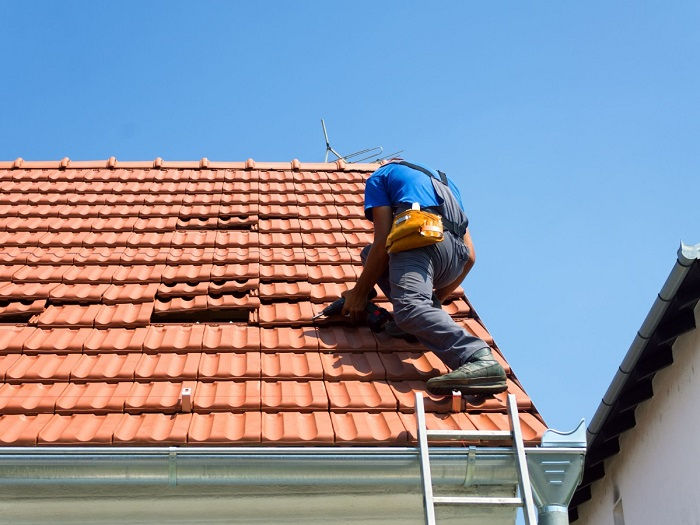
Choosing the Right Professionals
Selecting a reliable contractor is crucial for a successful roofing project. Look for:
Proper licensing and insurance
Positive customer reviews
Experience with shingle roofing systems
Transparent pricing and warranties
Midway through your decision-making process, many homeowners rely on experienced providers specializing in Shingle Roofing in Orange, CA to ensure quality installation and long-lasting results.
Cost Considerations
The cost of shingle roofing depends on several factors, including:
Type of shingles used
Roof size and complexity
Labor costs
Additional features like ventilation or insulation
While asphalt shingles are relatively affordable, investing in higher-quality materials can provide better durability and long-term savings.
Conclusion
Shingle roofing continues to be a reliable and versatile option for homeowners. With its balance of affordability, durability, and aesthetic appeal, it remains a top choice for residential properties. By understanding the different types of shingles, proper installation methods, and maintenance requirements, homeowners can make informed decisions that protect their investment for years to come.


Comments