


A Complete Guide to Installing Efficient Cooling Systems
- exploringmultiples
- Apr 13
- 4 min read

Introduction
Installing an air conditioning system is one of the most important decisions for maintaining indoor comfort, especially in areas that experience warm seasonal temperatures. Proper installation goes far beyond simply placing a unit in a home or building—it involves careful planning, accurate sizing, and a thorough understanding of how different components work together. A well-installed system ensures long-term efficiency, consistent cooling, and fewer operational issues over time.

Why Proper Installation Matters
The performance of an air conditioning system depends heavily on how it is installed. Even the most advanced system can underperform if installation is not done correctly. Poor installation can lead to:
Reduced cooling efficiency
Higher energy consumption
Frequent breakdowns
Uneven temperature distribution
On the other hand, a properly installed system operates smoothly, maintains consistent temperatures, and lasts longer.
Understanding Cooling Requirements
Before installing a system, it is essential to evaluate the cooling needs of the space. This involves considering several factors:
Size of the building or room
Number of windows and insulation quality
Local climate conditions
Occupancy levels
An accurate assessment ensures that the system is neither too large nor too small, both of which can negatively impact performance.
Choosing the Right Type of System
There are multiple types of air conditioning systems available, each suited for different environments:
Central Air Systems
Ideal for larger homes and commercial buildings, these systems provide uniform cooling through ductwork.
Ductless Mini-Split Systems
Perfect for spaces without existing ducts, offering flexibility and targeted cooling.
Window Units
Suitable for smaller spaces and temporary solutions.
Portable Units
Convenient and mobile, though generally less efficient for larger areas.
Selecting the right system type is a crucial step in ensuring optimal performance and energy efficiency.
The Installation Process Explained
Air conditioning installation involves several key steps that must be performed with precision:
1. Site Evaluation
The installation area is assessed to determine the best location for both indoor and outdoor units.
2. System Sizing
Calculations are made to ensure the system matches the cooling requirements of the space.
3. Ductwork Inspection or Setup
For central systems, ducts are inspected or installed to ensure proper airflow.
4. Electrical Connections
Proper wiring and connections are established to safely power the system.
5. System Testing
Once installed, the system is tested to verify that it operates efficiently and meets performance expectations.
Each step plays a vital role in ensuring the system functions correctly.
Importance of Correct System Sizing
System sizing is one of the most critical aspects of installation. An incorrectly sized system can cause:
Short cycling (frequent on/off operation)
Inadequate cooling
Increased wear and tear
Higher energy bills
Professionals use specific calculations to determine the correct capacity, ensuring balanced and efficient cooling.
Energy Efficiency Considerations
Modern air conditioning systems are designed with energy efficiency in mind. During installation, several factors influence efficiency:
Proper insulation of the space
Sealing of ducts to prevent air leaks
Placement of the outdoor unit in a shaded area
Use of programmable or smart thermostats
Focusing on these aspects during installation can significantly reduce long-term energy costs.
Common Installation Challenges
Installing an air conditioning system is not always straightforward. Some common challenges include:
Limited space for equipment placement
Structural limitations in older buildings
Improper duct design
Electrical compatibility issues
Addressing these challenges requires careful planning and technical expertise.
Indoor Air Quality and Installation
Installation also impacts indoor air quality. Proper setup ensures that the system can effectively filter and circulate air. Important considerations include:
High-quality air filters
Proper ventilation
Clean ductwork
A well-installed system contributes to a healthier indoor environment by reducing airborne contaminants.
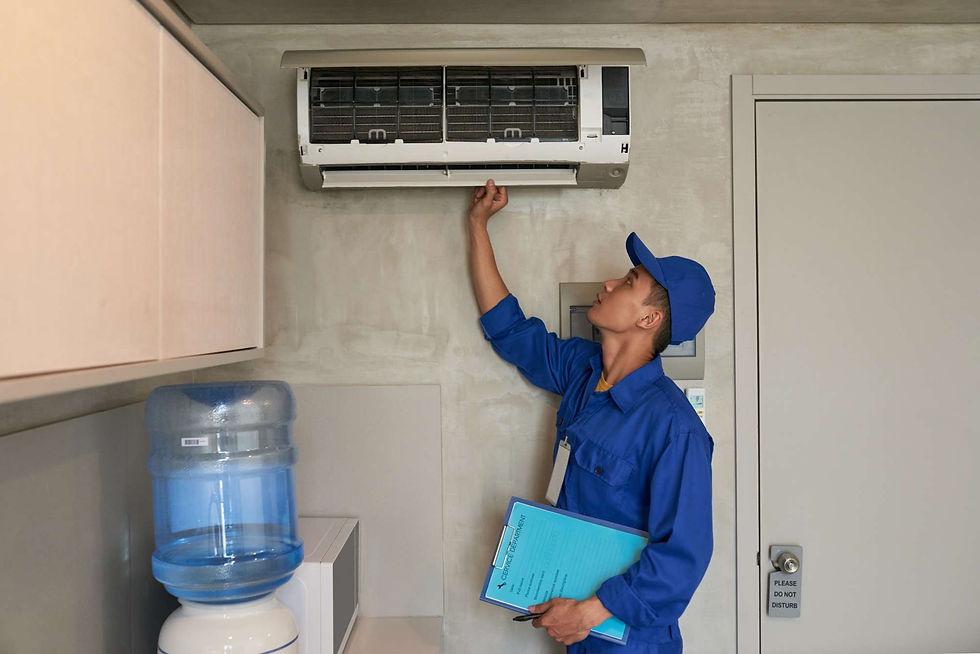
The Role of Professional Installation
While some may consider installing smaller units themselves, most systems require professional expertise. Proper installation involves:
Technical knowledge of HVAC systems
Compliance with safety standards
Accurate measurements and calculations
Handling of specialized tools and equipment
Professional installation reduces the risk of errors and ensures the system operates at peak performance.
Regional Climate Considerations
Climate plays a major role in determining installation requirements. In areas with high humidity and fluctuating temperatures, systems must be designed to handle both cooling and moisture control effectively.
For homeowners looking to ensure optimal performance and reliability, AC Installation Services in Baltimore, MD provide solutions tailored to regional climate needs, helping systems perform efficiently throughout the year.
Post-Installation Best Practices
After installation, proper usage and care are essential to maintain efficiency. Some best practices include:
Regularly checking and replacing filters
Keeping vents unobstructed
Monitoring thermostat settings
Scheduling periodic inspections
These steps help maintain consistent performance and extend the system’s lifespan.
Future Trends in Air Conditioning Installation
The HVAC industry continues to evolve with new technologies that improve installation and performance. Emerging trends include:
Smart home integration for automated climate control
Energy-efficient systems with advanced ratings
Zoning systems for customized cooling
Environmentally friendly refrigerants
These advancements aim to make cooling systems more efficient, sustainable, and user-friendly.
Conclusion
Installing an air conditioning system is a complex process that requires careful planning and attention to detail. From selecting the right system to ensuring proper sizing and setup, every step plays a crucial role in overall performance.
By understanding the installation process and making informed decisions, individuals can enjoy reliable cooling, improved energy efficiency, and enhanced indoor comfort for years to come.


Comments