


Understanding the Purpose and Benefits of Retaining Walls in Residential Landscapes
- exploringmultiples
- May 7
- 2 min read

Retaining walls are important structural features used in residential and commercial landscapes to manage soil movement, improve drainage, and create usable outdoor spaces. In areas with uneven terrain or sloped properties, these structures help stabilize the land while also enhancing the overall appearance of the landscape.
Beyond their functional purpose, retaining walls can contribute to erosion control and long-term property protection.

What Is a Retaining Wall?
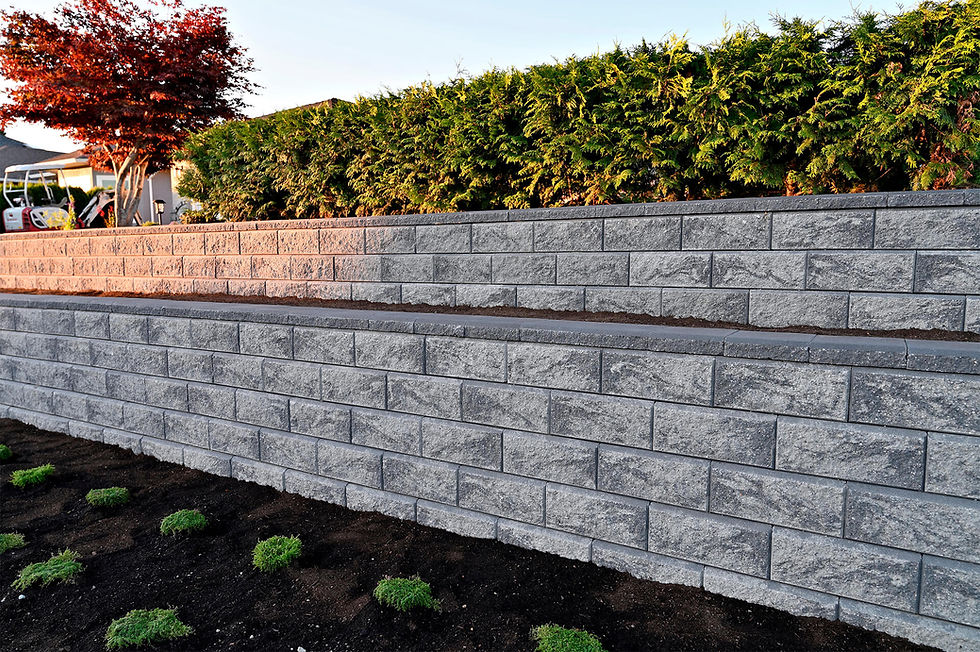
A retaining wall is a structure designed to hold back soil and prevent it from shifting or eroding. These walls are commonly used in landscapes where elevation changes create pressure on the surrounding ground.
Common materials include:
Concrete blocks
Natural stone
Brick
Timber
Reinforced concrete
The choice of material depends on the design, soil conditions, and structural requirements.
Why Retaining Walls Are Important
Prevent Soil Erosion
Retaining walls help keep soil in place during heavy rainfall and changing weather conditions.
Improve Drainage Control
They assist in directing water flow away from vulnerable areas.
Create Usable Outdoor Space
Sloped areas can be transformed into level sections for patios, gardens, or walkways.
Support Structural Stability
Retaining walls help reduce pressure on nearby structures and landscaping features.
Common Causes of Soil Movement
Several environmental factors contribute to soil instability:
Heavy rainfall and water saturation
Poor drainage systems
Natural slope pressure
Freeze-thaw cycles
Loose or weak soil composition
Without proper support, these conditions can gradually damage landscapes and nearby structures.
Types of Retaining Walls
Gravity Walls
Use their own weight to resist soil pressure.
Reinforced Walls
Include additional structural support for higher loads.
Segmental Block Walls
Common in residential landscaping due to durability and design flexibility.
Cantilever Walls
Designed with reinforced concrete for larger-scale support systems.
Importance of Proper Drainage
Drainage is one of the most important elements of retaining wall performance. Without proper water management, pressure behind the wall can increase and lead to structural failure.
Effective drainage solutions include:
Gravel backfill
Drainage pipes
Weep holes
Proper grading around the structure
Signs a Retaining Wall Needs Attention
Cracks or shifting sections
Leaning or bulging walls
Water pooling behind the structure
Soil erosion around the base
Separation between wall sections
Early detection helps prevent larger structural problems.
Regional Landscape Considerations
Properties with uneven terrain and seasonal weather changes often require additional soil stabilization measures. Homeowners researching Retaining Walls Fayetteville, NY frequently focus on understanding how retaining structures improve drainage control and protect landscapes from long-term erosion.
Maintenance Tips
Inspect walls regularly for movement or cracking
Keep drainage systems clear
Monitor soil conditions after heavy rain
Remove vegetation that may weaken structural areas
Conclusion
Retaining walls serve both functional and aesthetic purposes in modern landscapes. By controlling soil movement, improving drainage, and creating stable outdoor spaces, these structures contribute to long-term property protection and landscape durability. Proper design, drainage planning, and maintenance are essential for ensuring reliable performance over time.
Comments