Professional Grease Trap Services in Texas: Maintaining Efficient Commercial Plumbing Systems
- exploringmultiples
- May 19
- 3 min read

Commercial kitchens generate significant amounts of grease, oils, and food waste every day. Without proper management, these substances can enter drainage systems, causing blockages, unpleasant odors, plumbing damage, and potential disruptions to business operations. Grease traps play a critical role in preventing fats, oils, and grease (FOG) from entering sewer lines and wastewater systems.
Businesses seeking Grease Trap Services understand the importance of routine maintenance, cleaning, and inspections to keep plumbing systems operating efficiently while supporting sanitary kitchen environments.

What Is a Grease Trap?
A grease trap is a plumbing device designed to intercept fats, oils, and grease before they enter the wastewater system. The unit separates grease from wastewater, allowing cleaner water to flow into the drainage network while retaining grease and solid particles inside the trap.
Common facilities that use grease traps include:
Restaurants
Cafeterias
Hotels
Food processing facilities
Commercial kitchens
Catering businesses
Properly functioning grease traps help protect both internal plumbing and municipal sewer systems.
Why Grease Trap Maintenance Is Important
Over time, grease and food particles accumulate inside the trap. If not removed regularly, buildup can reduce efficiency and create plumbing problems.
Benefits of routine grease trap maintenance include:
Preventing Drain Blockages
Excess grease can restrict water flow and lead to clogged drains.
Reducing Unpleasant Odors
Accumulated food waste and grease can create strong odors if left untreated.
Improving Plumbing Performance
Clean grease traps support smooth wastewater flow throughout the facility.
Extending Equipment Lifespan
Regular maintenance reduces stress on plumbing infrastructure and grease trap components.
Common Problems Caused by Neglected Grease Traps
Drain Backups
Grease accumulation can obstruct wastewater flow and cause backups within the kitchen.
Slow Drainage
Restricted grease traps often reduce drainage efficiency throughout the property.
Sewer Line Blockages
Excess grease entering sewer systems can contribute to major blockages.
Increased Maintenance Costs
Neglected grease traps frequently require more extensive cleaning and repairs.
Signs a Grease Trap Needs Service
Business owners should monitor for:
Slow floor drains
Persistent foul odors
Frequent drain clogs
Overflowing grease traps
Visible grease accumulation
Gurgling sounds from drains
Early service helps prevent larger plumbing disruptions and costly downtime.
Components of Professional Grease Trap Service
Inspection
Technicians evaluate grease levels, equipment condition, and overall system performance.
Cleaning
Accumulated grease, solids, and wastewater residues are removed from the trap.
Waste Disposal
Collected grease waste is handled according to applicable disposal procedures.
System Evaluation
Inspections help identify wear, damage, or operational concerns requiring attention.
Benefits of Regular Grease Trap Cleaning
Improved Kitchen Operations
Proper wastewater flow supports uninterrupted kitchen productivity.
Better Sanitation
Routine cleaning helps maintain cleaner and healthier food preparation environments.
Reduced Emergency Repairs
Preventive maintenance helps avoid unexpected plumbing failures.
Enhanced Plumbing Efficiency
Clean grease traps allow wastewater systems to operate more effectively.
Supporting Environmental Responsibility
Effective grease management helps reduce the amount of fats, oils, and grease entering municipal sewer systems.
Environmental benefits include:
Reduced sewer blockages
Improved wastewater management
Lower risk of environmental contamination
Better overall system efficiency
Responsible grease handling supports both business operations and community infrastructure.
Why Texas Businesses Prioritize Grease Trap Maintenance
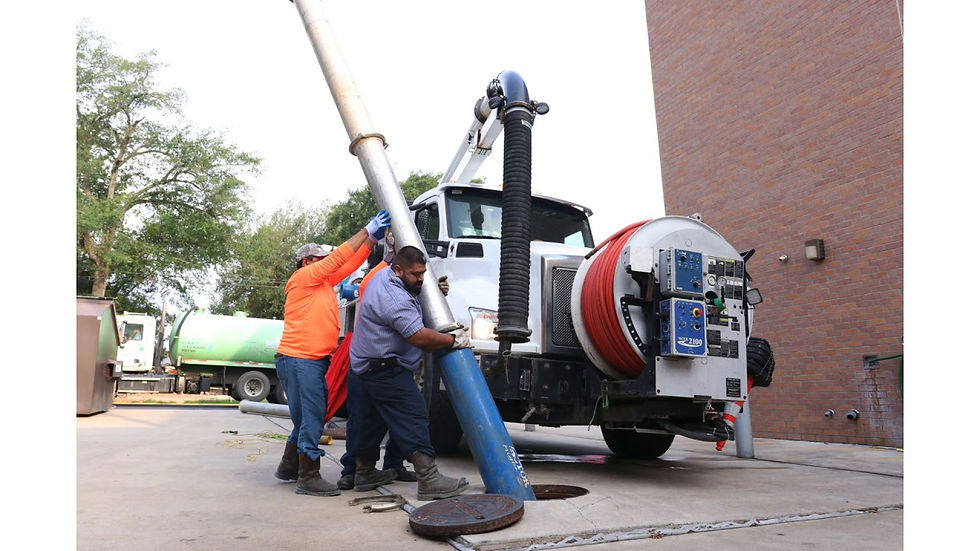
Commercial kitchens throughout Texas experience high daily usage and significant grease production. Businesses investing in Professional Grease Trap Services in Texas often focus on maintaining compliance, preventing plumbing emergencies, and supporting efficient kitchen operations through scheduled maintenance and cleaning programs.
Best Practices for Grease Trap Care
To maximize grease trap performance:
Schedule routine inspections
Clean traps regularly
Avoid disposing of grease directly into drains
Train staff on proper waste disposal practices
Monitor drainage performance consistently
Preventive maintenance helps reduce long-term operating costs and plumbing issues.
Conclusion
Grease traps are essential components of commercial plumbing systems that help prevent blockages, protect sewer infrastructure, and support sanitary kitchen operations. Through regular inspections, professional cleaning, and ongoing maintenance, businesses can improve plumbing reliability and reduce costly disruptions. Choosing Grease Trap Services helps ensure efficient wastewater management, healthier work environments, and long-term plumbing system performance.

Comments