


Effective Debris Handling Strategies for Large-Scale Projects
- exploringmultiples
- Mar 25
- 2 min read

Large-scale projects such as construction, demolition, and major renovations require careful planning, especially when it comes to handling debris. Without a proper system in place, waste can quickly accumulate, causing delays, safety hazards, and inefficiencies. Understanding how to manage debris effectively is essential for keeping projects on track and running smoothly.

The Importance of Debris Management
Debris management plays a critical role in maintaining productivity and safety at any worksite. When waste materials are not handled properly, they can create obstacles that slow down work and increase the risk of accidents.
A well-organized approach helps to:
Keep the site clean and accessible
Improve workflow efficiency
Reduce safety risks
Ensure compliance with local regulations
Types of Debris in Large Projects
Different types of projects produce various forms of debris. Identifying these materials helps determine the best disposal strategy.
Construction Materials
Includes concrete, bricks, wood, drywall, and metal from building or renovation work.
Demolition Waste
Large and heavy debris from tearing down structures, often requiring specialized handling.
Packaging Materials
Cardboard, plastic, and other packaging from delivered supplies.
Mixed Debris
A combination of materials that require sorting and proper disposal.
Challenges in Managing Large Volumes of Waste
Handling large amounts of debris comes with several challenges:
Limited space on-site
Transportation logistics
Disposal regulations
Time constraints
Without a proper system, these challenges can disrupt progress and increase costs.
Best Practices for Debris Management
Implementing effective strategies can significantly improve how waste is handled:
1. Plan Ahead
Estimate the volume and type of debris before starting the project.
2. Designate Disposal Areas
Create specific zones for waste collection to keep the site organized.
3. Separate Materials
Sorting recyclable and non-recyclable materials can reduce environmental impact.
4. Schedule Regular Removal
Prevent overflow by arranging timely waste pickups.
Improving Worksite Safety
A clean worksite is a safer worksite. Accumulated debris can lead to:
Tripping hazards
Injuries from sharp objects
Equipment damage
Regular cleanup and proper waste handling reduce these risks and create a safer environment for workers.
Environmental Responsibility
Sustainability is becoming increasingly important in construction and large-scale projects. Proper waste management can help reduce the environmental impact by:
Recycling usable materials
Minimizing landfill waste
Reducing pollution
Taking these steps contributes to more eco-friendly operations.
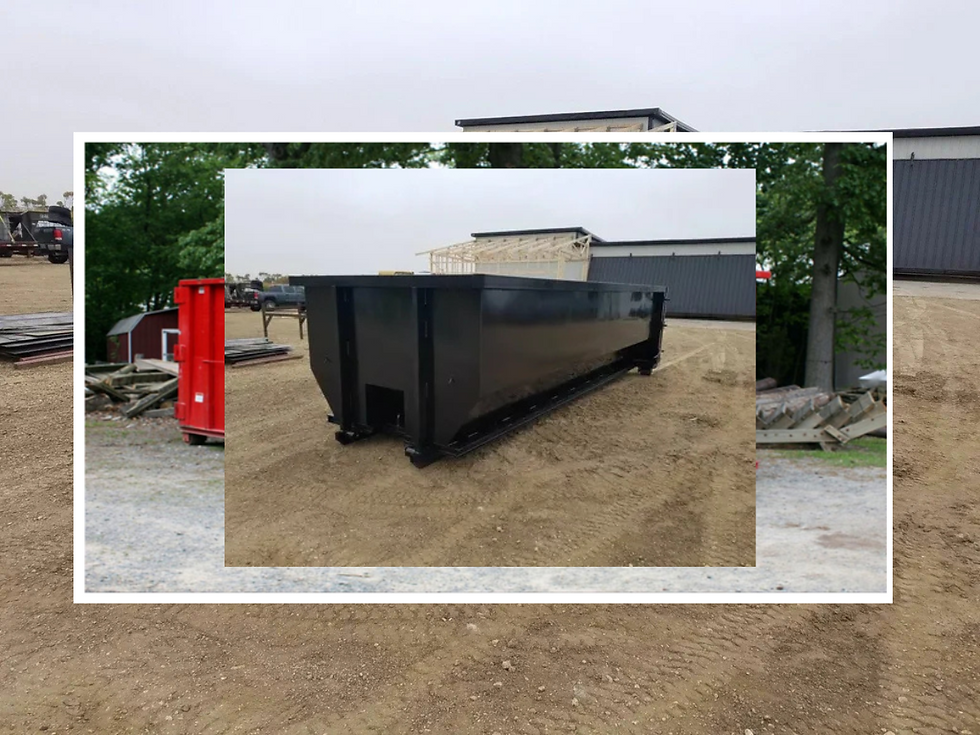
For projects generating substantial waste, solutions like Tempe AZ Roll Off Dumpster Rentals demonstrate how roll-off containers can handle high volumes of debris efficiently, allowing for easy loading and scheduled removal without interrupting workflow.
Cost Efficiency and Productivity
Efficient debris management can also lead to cost savings. Poor handling of waste often results in:
Additional labor costs
Project delays
Fines for improper disposal
By staying organized, projects can be completed more efficiently and within budget.
Choosing the Right Waste Solution
Selecting the appropriate method for handling debris depends on:
Project size
Type of materials
Duration of work
Having the right system in place ensures smooth operations from start to finish.
Final Thoughts
Managing debris effectively is a key factor in the success of any large-scale project. With proper planning, organization, and the right tools, it’s possible to maintain a clean, safe, and efficient work environment.
By adopting best practices and staying proactive, contractors and project managers can ensure their projects run smoothly while minimizing risks and maximizing productivity.


Comments